

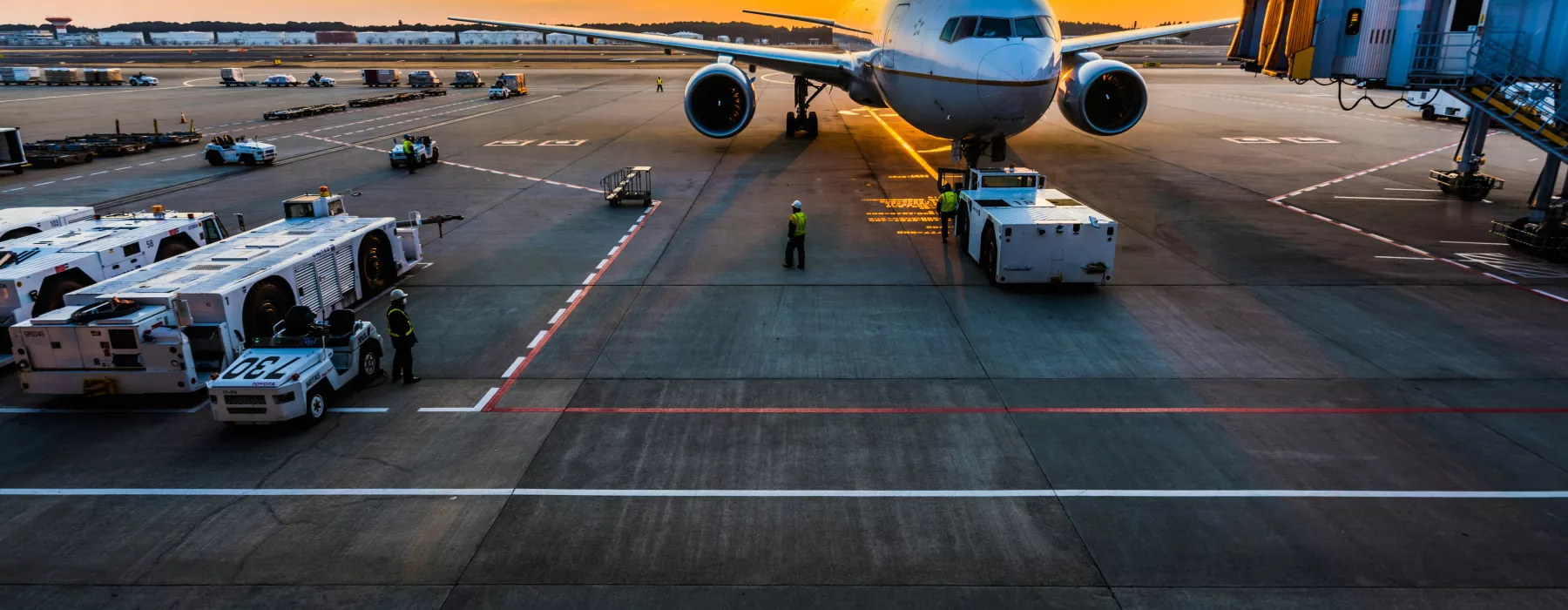
We are a flight away from every major city
Global Connectivity
Pomerania boasts the well-established Lech Wałęsa Airport in Gdańsk, maintaining extensive European connectivity since 1974. Today, the airport offers non-stop passenger flights scheduled to 92 destinations across 25 countries, ensuring seamless access to major global markets.
Future Expansion
To support rapidly growing business and investor demand, the airport is continuously scaling its operations. The ongoing construction of additional terminals and enhanced facilities is nearing completion, significantly boosting regional capacity and service standards.
Non-stop passenger destinations connecting Pomerania seamlessly with key global business markets
Countries reached directly, maintaining extensive connectivity across major European economic hubs
Major European hubs connected daily including Amsterdam, Copenhagen, Frankfurt, and Munich
Key figures
Passenger traffic (2023–2024)
grew from 5.9 million to 6.7 million (+13.7%)
Aircraft movements (2023–2024)
increased from 49,502 to 56,839
Runway
2,800 m long, equipped with ILS CAT IIIb (all-weather precision landing)
Cargo handled in 2023
11,483 tonnes (+12.7% YoY)
National ranking
3rd busiest airport in Poland (after Warsaw and Kraków)
Ground transport
Direct access to PKM railway, public buses, and expressways A1 and S6
Global maritime access
3.2 mln TEU
Containers Transhipped in 2024
24000 TEU
Maximum volume cargo ship entering port
104 mln TEU
Transhipped cargo in Tricity Ports in 2024
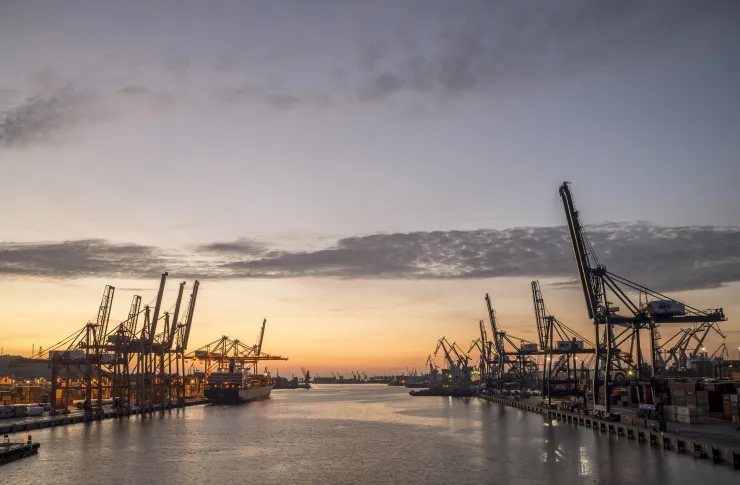
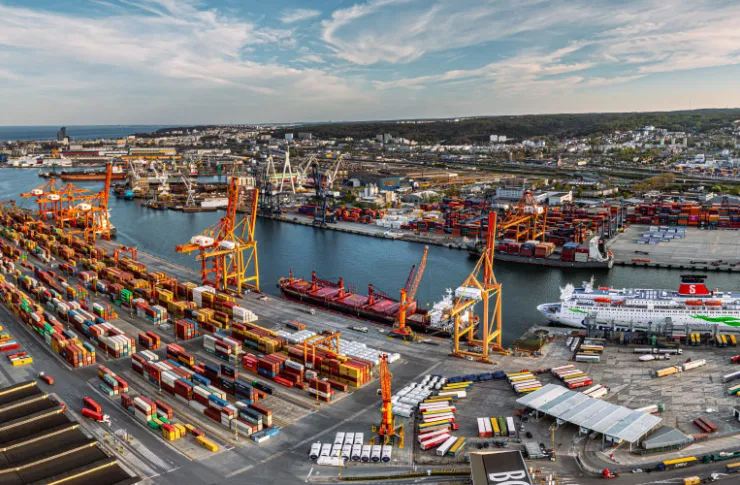
The maritime sector is one of the key priority industries for the Pomeranian Voivodeship. The region’s greatest advantage is the two international seaports in Gdańsk and Gdynia, which are of fundamental importance to the national economy. They maintain connections with over 40 ports in more than 20 countries worldwide, operating throughout the year. They are part of the TEN-T Trans-European Transport Network, do not freeze in winter, and can accommodate the largest floating vessels in the world.
Inland Connectivity?
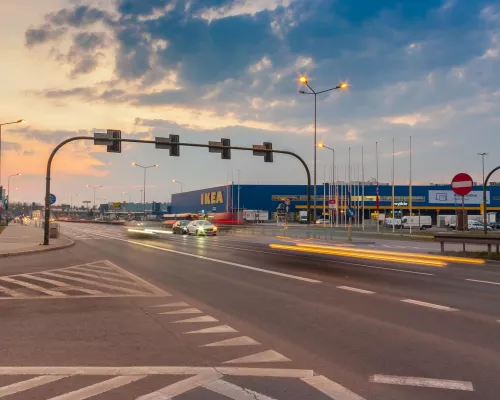
Motorway A1 stands as the primary artery in Pomerania, linking the Scandinavian countries with Southern Europe, making it of paramount importance. Additionally, other key national roads such as S7 (Gdańsk-Warsaw-Cracow) and S6 (Gdańsk-Szczecin) play significant roles.
Plans include substantial widening of these roads to enhance their traffic capacity and improve overall road quality, ensuring smoother and more efficient transportation. Railway connections in Pomerania offer an exceptionally convenient mode of transportation, especially for goods arriving at the ports in Gdańsk and Gdynia via sea.
The railway network provides connections to major cities across Poland, while also offering numerous links to prominent international cities, including Prague, Bratislava, Vienna, and Berlin. This robust railway system facilitates efficient and seamless transport within the region and beyond.
S6 Expressway (via Tricity Bypass): connects Szczecin to Gdańsk, enabling smooth West–East transport across northern Poland
A1 Motorway (Amber Highway): runs from Gdańsk to the Czech border, forming part of the European E75 route
Rail freight hub in Tczew: a key intermodal node linking north-south and east-west rail corridors
Fast passenger rail (PKM & PKP Intercity): direct connections to Warsaw, Kraków, Poznań, Wrocław and beyond
TEN-T Corridors: part of the Baltic–Adriatic and North Sea–Baltic core network corridors
Infrastructure modernisation programs supported by EU funding and national strategies (e.g., CPK rail improvements, port hinterland connectivity)
The right conversation changes everything
Let's talk about your next move. Every investment decision starts with a conversation. Reach out to our team — we'll help you find the right answers and the right people.